
When your crown falls out, it can be a stressful and confusing experience. I'm Whitney, a dental hygienist, here to guide you through the right steps to take if you find yourself in this situation. Understanding what to do—and what NOT to do—can save you from further complications and unnecessary expenses. Let’s dive into how to manage a lost dental crown safely and effectively.
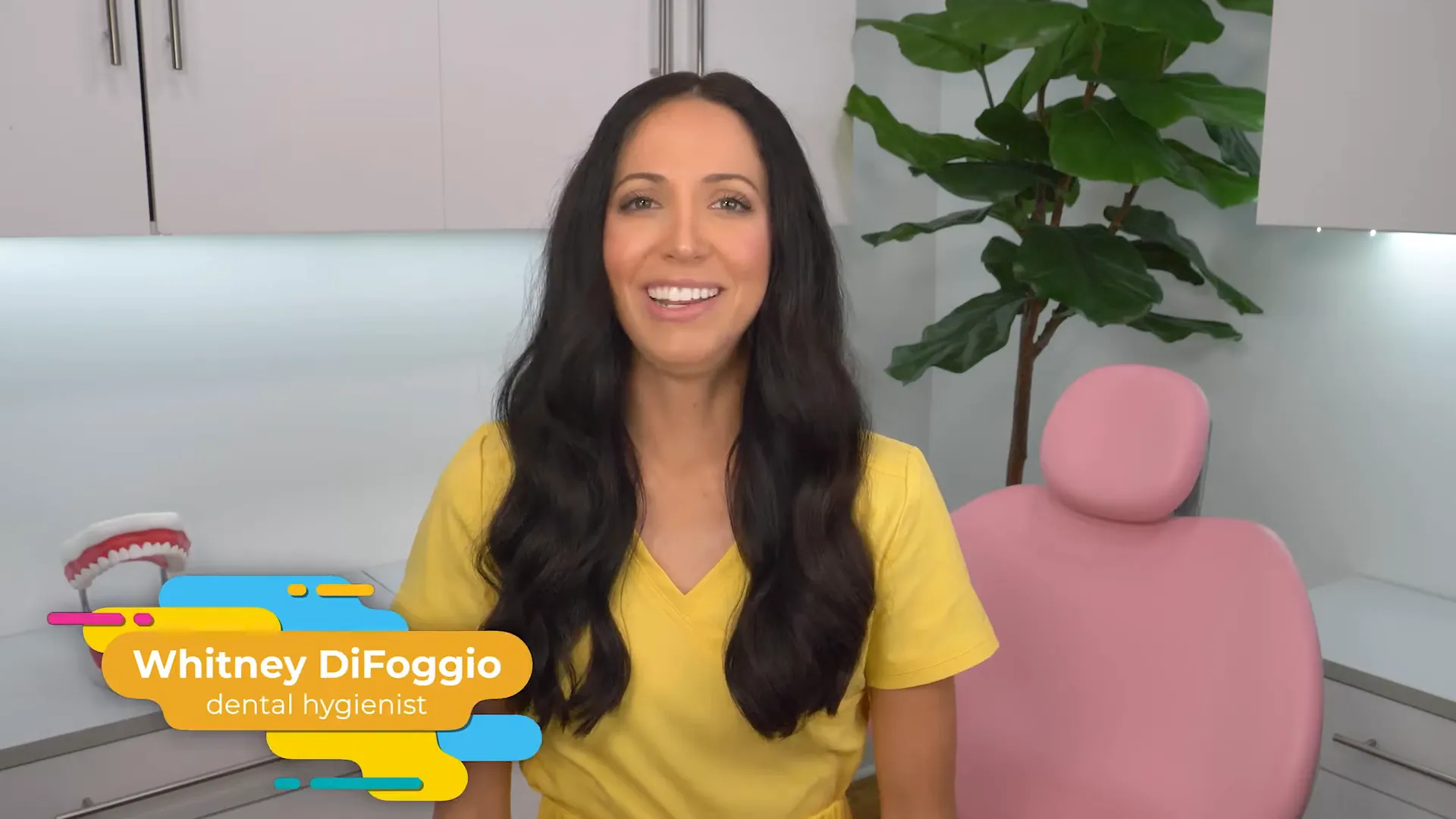
Table of Contents
- Why You Should Never Try to Glue Your Crown Back Yourself
- How to Store Your Crown Safely Until You See the Dentist
- Temporary Fixes for Cosmetic Emergencies
- Is It an Emergency? Understanding When to See Your Dentist
- What Happens If You Damage the Tooth Under the Crown?
- Bringing Your Crown to the Dentist
- Conclusion: Don’t Delay Your Dental Visit
- Frequently Asked Questions (FAQs)
Why You Should Never Try to Glue Your Crown Back Yourself
First things first: if your crown falls out, do not attempt to glue it back on your own. Although it might seem like a quick fix, using super glue or any household adhesive is a very bad idea. Crowns are designed to be bonded professionally by your dentist after the tooth and crown are properly cleaned and prepared.
Trying to glue your crown yourself can trap bacteria and saliva underneath, which leads to tooth decay, infection, and potentially tooth loss. So, resist the urge to DIY this repair.

How to Store Your Crown Safely Until You See the Dentist
Once your crown falls out, it’s important to keep it safe and intact. If the crown is not broken and has just popped off, put it in a sealed container—this could be a plastic baggie or a small kitchen container. Keeping the crown safe can save you a lot of money because your dentist might be able to simply re-cement the original crown back onto your tooth.
Remember, your dentist will clean and prep the tooth to ensure it’s free of bacteria and saliva before bonding the crown again.
Temporary Fixes for Cosmetic Emergencies
If your crown falls off a front tooth, especially during the day when you’re worried about your appearance, there are temporary solutions you can try until you get to the dentist. You can use a small smear of toothpaste or temporary dental cement from the drugstore to put the crown back in place temporarily. This is just to help you get through the day and avoid embarrassment.
Be very careful not to swallow the crown if you try this temporary fix. If you accidentally swallow it, you’ll lose the crown and will likely have to pay for a replacement.
Is It an Emergency? Understanding When to See Your Dentist
When you call your dentist after your crown falls out, they might ask if it’s an emergency. The answer depends on your situation:
- Emergency (Same-Day Appointment): If you’re in pain, or if the crown fell off a front tooth and you have an important event like a presentation, this counts as an emergency.
- Urgent (As Soon As Possible): If the crown fell out of a tooth that’s not visible when you smile and you’re not in pain, it’s urgent but not an emergency. You should still see your dentist quickly to avoid complications.
Under no circumstances should you chew on the tooth without the crown, as this can damage the underlying tooth stub. It’s tough to avoid chewing on one side, so try to stick to soft foods and chew on the opposite side to protect the exposed tooth.

What Happens If You Damage the Tooth Under the Crown?
If you accidentally bite down hard on the tooth without the crown, you risk splitting or damaging it. This could lead to more serious dental work, such as a root canal before the crown can be re-cemented. In the worst case, if the tooth is too damaged, it might need to be extracted.
This is why it’s so important to call your dentist immediately after your crown falls out and to protect the exposed tooth as best you can.
Bringing Your Crown to the Dentist
When you visit your dentist, bring the crown with you—whether it’s intact or slightly damaged. Most often, your dentist can re-cement the original crown, which saves you the cost of a new one. However, if the crown is broken or structurally compromised, you might need a replacement.
If the tooth underneath is damaged, you could require additional treatments such as root canal therapy or, in severe cases, extraction.
Conclusion: Don’t Delay Your Dental Visit
Even if your crown fell out from a back tooth that’s not visible and isn’t causing pain, don’t put off seeing your dentist. The exposed tooth stub is vulnerable to damage, decay, and infection. Early treatment helps prevent these complications and protects your oral health.
If finances are a concern, there are resources available to find affordable dental care. Taking prompt action not only preserves your tooth but also saves money and discomfort in the long run.
Remember, if my crown fell out, my first step is to call the dentist and keep the crown safe until my appointment. Avoid chewing on that tooth, use temporary fixes only if necessary and be mindful of your oral hygiene to prevent further issues.
Frequently Asked Questions (FAQs)
Can I glue my dental crown back on at home?
No. Using super glue or any household adhesive can trap bacteria and cause infections, tooth decay, and further damage.
How should I store my crown until I see the dentist?
Keep your crown in a sealed container, such as a plastic baggie or small container, to avoid losing or damaging it.
Is a lost crown always an emergency?
Not always. If you’re in pain or the crown is on a front tooth affecting your appearance, it’s an emergency. Otherwise, it’s urgent and should be addressed as soon as possible.
What foods should I eat if my crown falls out?
Stick to soft foods and chew on the opposite side of your mouth to avoid damaging the exposed tooth.
Can my dentist reuse the same crown?
Often, yes. If the crown is intact and undamaged, your dentist can clean and re-cement it back onto your tooth.
If you want more tips and dental care advice, consider subscribing to a weekly newsletter full of toothy tips and tricks to keep your smile healthy.